Property Photography Algarve - Why More Photos Can Actually Hurt Your Property Listing

There’s a common assumption in property listings that more photos mean more interest.
In reality, the opposite is often true.
Most buyers don’t study listings — they scroll. And when a listing is overloaded with images, it quickly loses impact. Instead of making a property feel more complete, too many photos can make it feel repetitive, unfocused, and ultimately less appealing.
In the Algarve’s competitive mid to high-end market, presentation matters. Strong, well-chosen images will always outperform a long set of average ones.
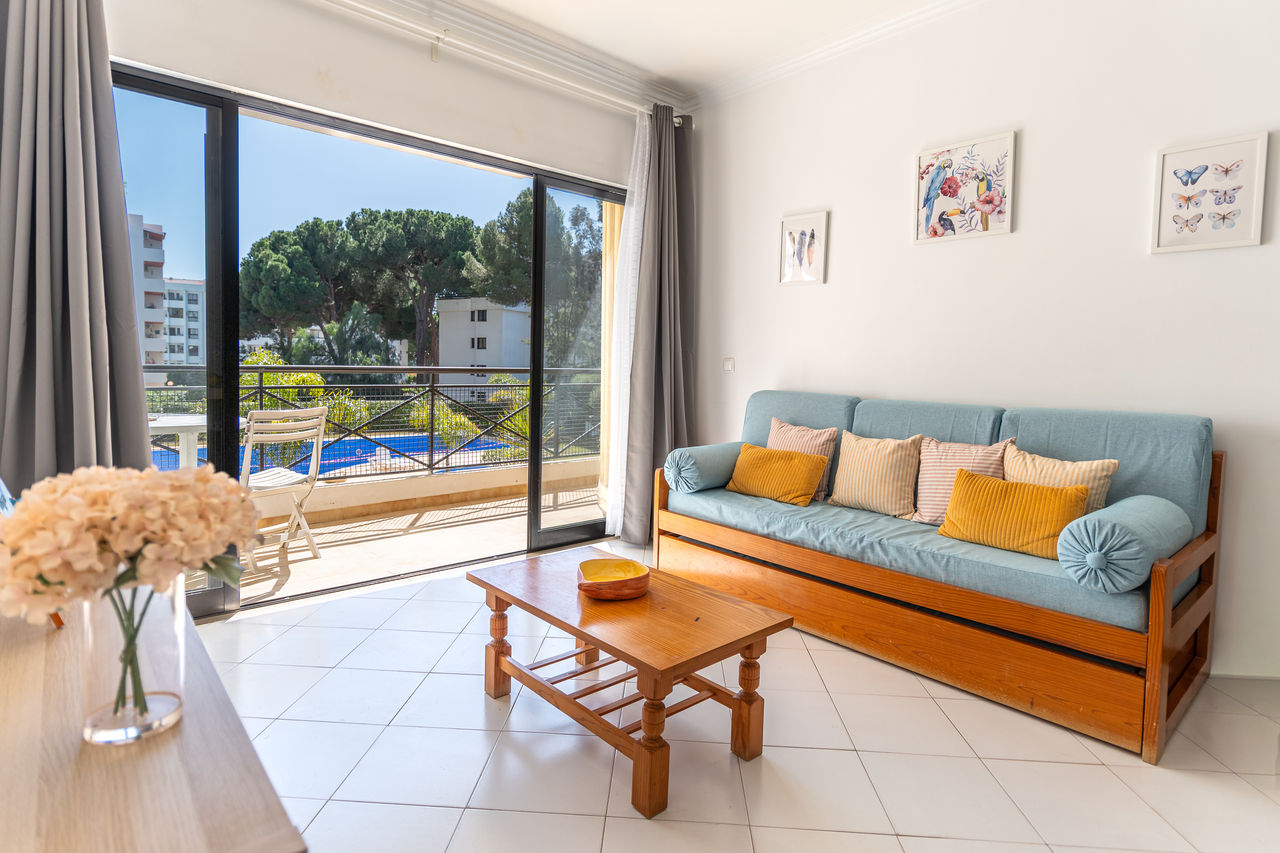
How Buyers Actually Browse Listings
Buyers move quickly. They’re not analysing every image — they’re making decisions in seconds.
Most people will scroll through a listing rapidly, forming an impression almost immediately. If the first few images don’t stand out, they move on. It’s that simple.
This is where too many photos start to work against you. Instead of creating a clear, strong impression, the listing becomes diluted. Key features get lost among repeated angles, similar rooms, or images that don’t add anything new.
In a market like the Algarve, where light, outdoor space, and lifestyle are major selling points, the first images need to communicate that instantly. If they don’t, the opportunity is gone before the buyer even realises it
The Problem with Too Many Photos
Too many photos create more problems than they solve.
The first is repetition. Multiple images of the same room from slightly different angles don’t add value — they dilute it. Instead of strengthening the listing, they make it feel cluttered and unfocused. Buyers don’t analyse the differences; they just lose interest.
It also weakens the perception of quality. When everything is shown without careful selection, the listing starts to feel unrefined. In higher-end markets like the Algarve, presentation matters.
A tight, well-edited set feels premium. An overloaded one doesn’t.
There’s also a practical issue — it slows everything down. Buyers don’t want to work to understand a property. If they have to scroll through dozens of similar images to get the point, they’ll move on.
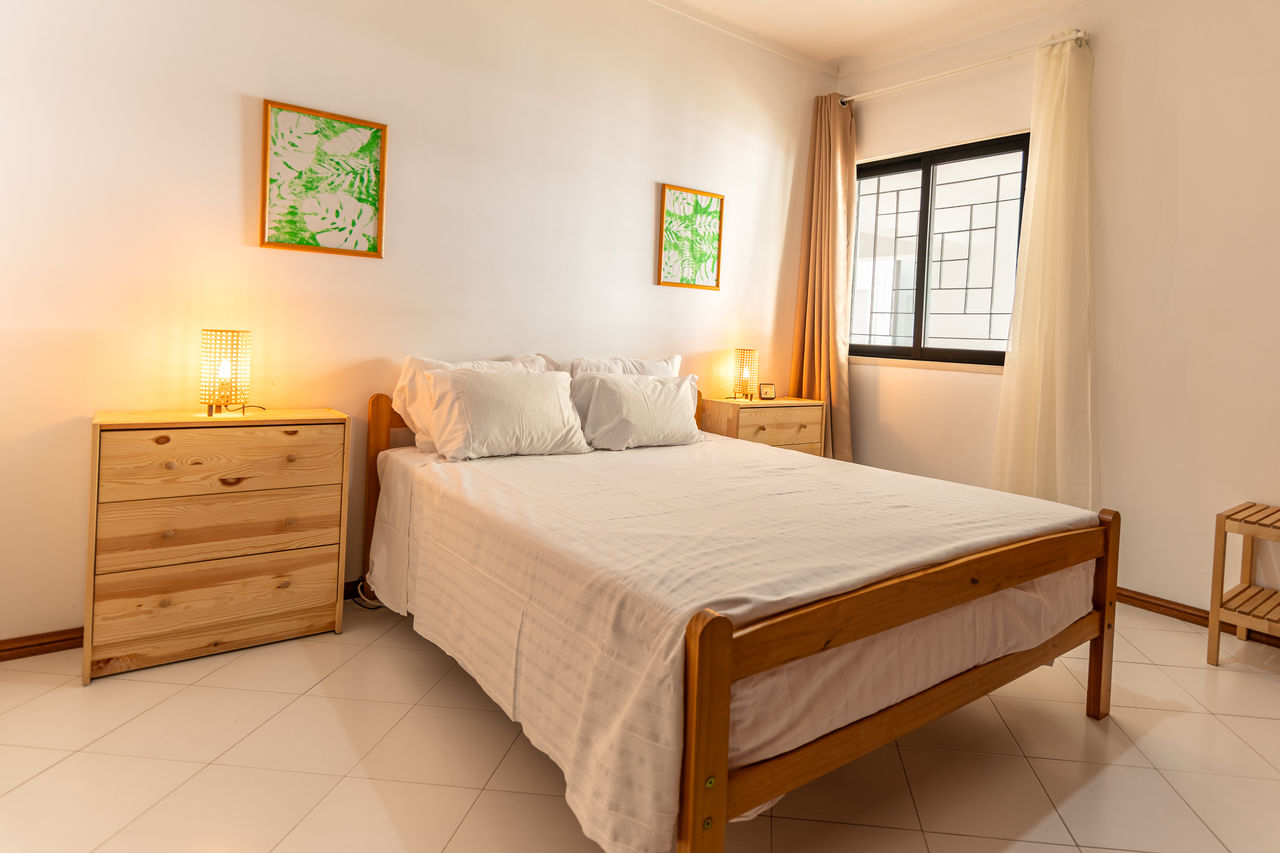
Why Fewer, Stronger Images Perform Better
A smaller number of well-chosen images creates a much clearer impression.
Each photo should have a purpose — whether that’s showing space, light, layout, or lifestyle. When every image adds something, the listing feels intentional and easy to follow.
This also creates flow. Instead of jumping between similar shots, the viewer is guided through the property in a way that makes sense. They can quickly understand what’s on offer and start to picture themselves in the space.
In the Algarve, this often means leading with lifestyle — strong outdoor shots, natural light, and the feeling of space — before moving into the interior. It’s not about showing everything, it’s about showing what matters most.
When each image stands on its own, the overall presentation feels cleaner and more professional. That clarity builds trust — and that’s what leads to enquiries and viewings.
The Importance of Curation
Curation is where the difference is made.
It’s not about what you can show — it’s about what you choose to show. A strong listing focuses on the property’s best features and builds a clear, consistent impression from start to finish.
Not every room needs to be included. In many cases, leaving something out actually improves the overall presentation. A small utility room or a cluttered storage space rarely adds value. What matters more is highlighting the areas that define the property — the light, the space, the key living areas, and the overall feel.
Curation also means consistency. Images should match in exposure, colour, and overall style so the property feels like a single, cohesive space. When that consistency is there, the listing feels more professional — and the property itself feels more considered and higher quality.
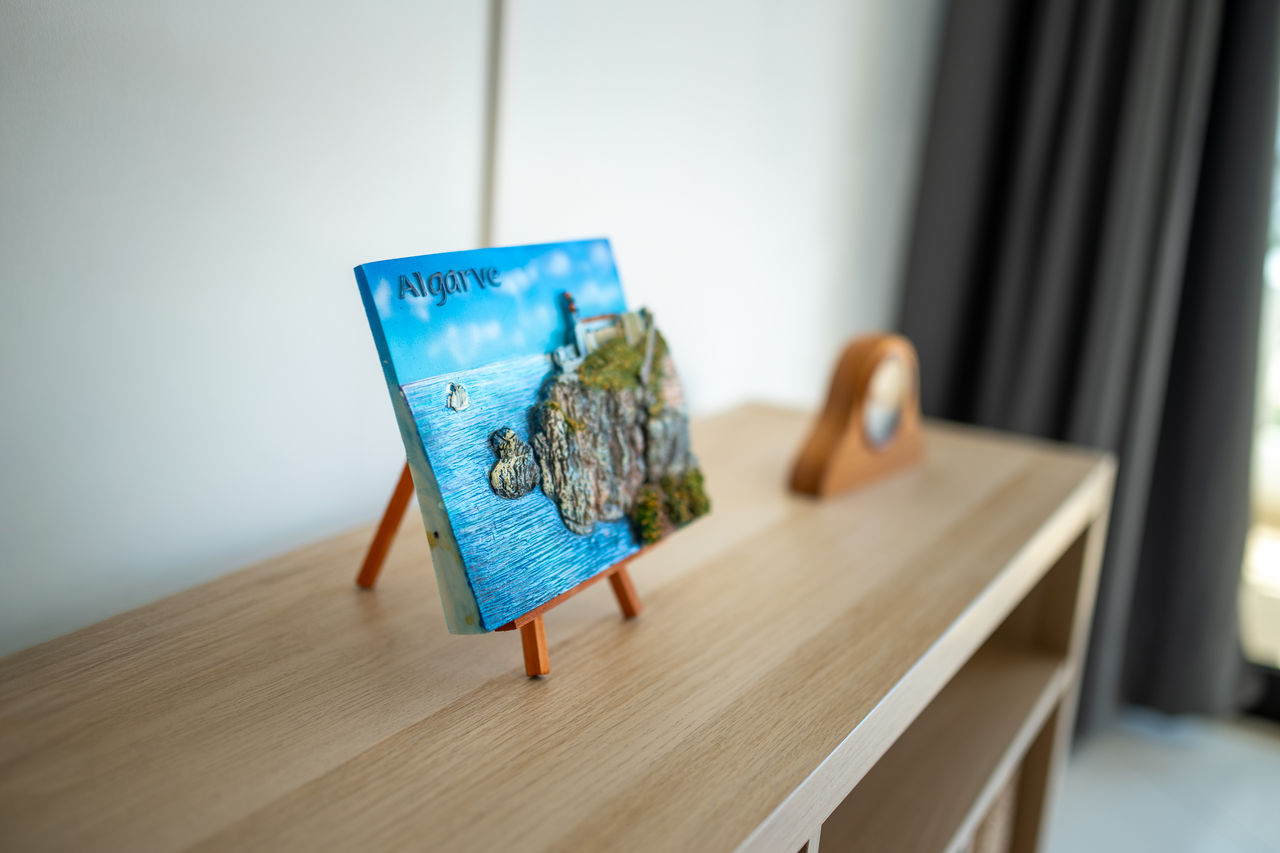
How Professional Photographers Approach Image Selection
The goal isn’t to show everything — it’s to show the best.
In a typical shoot, we’ll take 50 or more images of a property, sometimes significantly more. But what gets delivered is a carefully selected set that represents the property at its strongest. Every image is reviewed for composition, light, and how well it contributes to the overall flow of the listing.
It’s not just about individual photos — it’s about how they work together. The sequence matters. The balance matters. And just as importantly, what gets removed matters.
In the Algarve, this often means prioritising natural light, outdoor space, and the overall lifestyle the property offers. By focusing on fewer, stronger images, the final result feels cleaner, more intentional, and far more effective.
Final Thoughts on Property Photography Algarve
More photos don’t create a better listing — better photos do.
A well-presented property isn’t about showing everything. It’s about making the right impression, quickly and clearly. Strong listings are curated, consistent, and focused on what actually matters to the buyer.
In a competitive market like the Algarve, that level of attention makes a real difference. It’s what separates a listing that gets scrolled past from one that generates real interest and viewings.
Property Photography Algarve